
Providing Home Care in Metro Atlanta and Surrounding Areas
Stop Wasting Time on Senior Meal Prep: 7 Hacks for Better Nutrition at Home

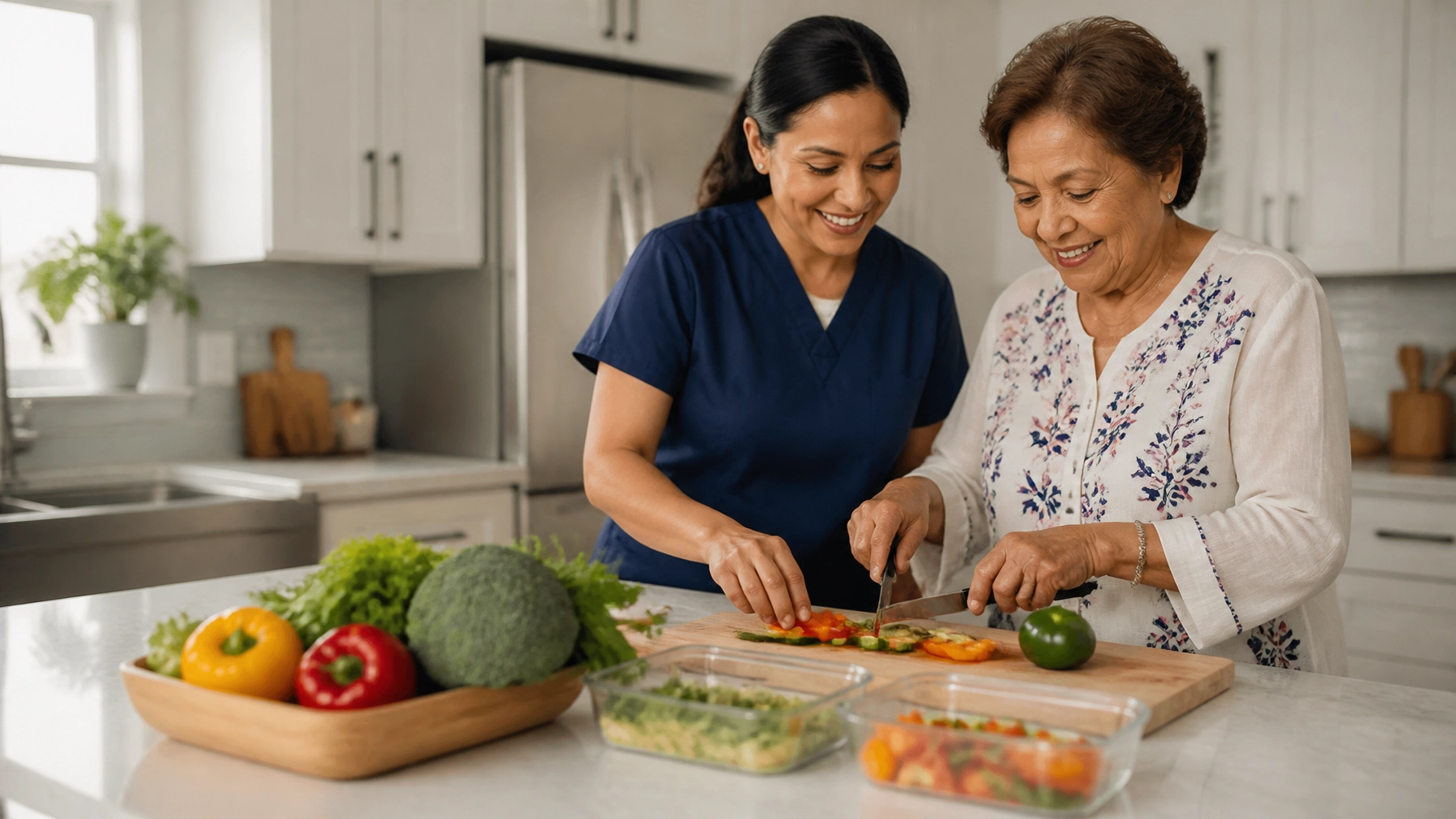
For many families in Metro Atlanta, the "dinner hour" is often the most stressful time of the day. If you are caring for an aging parent, you know the cycle: you want them to eat nutritiously to maintain their strength, but between work, your own household, and their medical appointments, spending two hours over a stove every night simply isn't sustainable.
Nutrition is more than just "eating well." For older adults, it is a cornerstone of safety. Proper nutrition supports muscle mass, which is critical for fall prevention, and ensures that medications for conditions like Parkinson's or heart failure work effectively.
The good news? You don't need to be a gourmet chef or spend your entire weekend in the kitchen to ensure your loved one stays healthy. By shifting from a "reactive" cooking style to a "proactive" prep strategy, you can reclaim your time while enhancing their quality of life.
Here are seven practical, time-saving hacks to master senior nutrition at home.
1. The "Building Block" Strategy
One of the biggest time-wasters in the kitchen is starting every meal from scratch. Instead of thinking in terms of "recipes," think in terms of "building blocks."
During a single one-hour window: perhaps on a Sunday afternoon: prepare three core components:
- A Versatile Protein: Roast a large tray of chicken thighs, bake a side of salmon, or slow-cook a pot of beans. These can be used in salads, soups, or as a main dish throughout the week.
- A Large Grain Base: Cook a big batch of quinoa, brown rice, or whole-wheat pasta. These staples keep well in the fridge and serve as the foundation for multiple meals.
- Roasted "Power" Veggies: Sheet-pan roasting carrots, broccoli, and sweet potatoes makes them soft and easy to chew, which is vital for seniors with dental or swallowing sensitivities.
By having these blocks ready, "cooking" dinner becomes a simple five-minute assembly process rather than a 60-minute chore.

2. Embrace High-Quality Shortcuts
There is a common misconception that "fresh is always best." In reality, frozen fruits and vegetables are often frozen at peak ripeness, locking in nutrients. For a senior living at home, frozen produce is a game-changer because it requires zero washing, peeling, or chopping.
At Elevare Home Care, our Daily Living Support team often recommends these specific shortcuts:
- Pre-Chopped Aromatics: Buy jars of minced garlic or pre-chopped onions. These save significant time and reduce the risk of kitchen accidents for seniors with arthritis or tremors.
- Steam-in-Bag Veggies: These allow for a hot, nutritious side dish in three minutes without any pots to clean.
- Rotisserie Chicken: A high-quality rotisserie chicken from a local Atlanta grocer can be shredded for sandwiches, added to stews, or served with a side of grains for an instant, protein-rich meal.
3. The Magic of "Low and Slow" Cooking
As we age, digestion can slow down, and chewing tougher meats can become difficult. This is where the slow cooker (or "Crockpot") becomes your best ally. Slow cooking breaks down fibers, making proteins incredibly tender and easier to swallow.
Try a "dump and go" approach: place lean beef, low-sodium broth, carrots, and potatoes in the pot in the morning. By evening, you have a nutrient-dense stew that provides four to five servings. These meals are easily portioned and frozen for future use. For more tips on managing specific dietary needs, such as for those with COPD or Heart Failure, moist, easy-to-digest meals are often preferred.
4. Portioning for Independence
One of the most heart-wrenching parts of aging is the loss of independence. If a senior finds a large refrigerator full of ingredients overwhelming, they may resort to snacking on crackers or skipping meals entirely.
You can support their autonomy by using clear, easy-to-open containers.
- Label Everything: Use large, bold print to label containers with the contents and the date.
- Single-Serve Sizes: Instead of one big bowl of pasta, portion it into four separate containers.
- The "Front and Center" Rule: Keep the most nutritious prepped meals at eye level in the fridge so they are the first thing your loved one sees when they are hungry.
This proactive organization ensures that even when you aren't there, they have a safe, healthy option ready to go.

5. Flavor Without the Salt Shake
High blood pressure is a common concern for seniors, making a low-sodium diet essential. However, "low sodium" doesn't have to mean "tasteless."
Instead of salt, build flavor with:
- Citrus: A squeeze of fresh lemon or lime can "wake up" the flavors of fish and vegetables.
- Fresh Herbs: Use cilantro, parsley, or rosemary. These add vibrant color and antioxidants.
- Vinegars: A splash of balsamic or apple cider vinegar adds a tangy depth to stews and grains.
According to the National Institute on Aging, using herbs and spices instead of salt is one of the most effective ways to maintain heart health without sacrificing the joy of eating.
6. Create "Hydration Stations"
Dehydration is a leading cause of hospitalizations among seniors in Georgia, especially during our humid summers. Many older adults lose their sense of thirst, or they may avoid drinking water because they worry about frequent trips to the bathroom.
Make hydration effortless by:
- Infused Water: Add cucumber, berries, or mint to a pitcher to make water more appealing.
- Hydrating Foods: Incorporate "water-rich" snacks like watermelon, peaches, and cucumbers into the daily meal plan.
- Visual Reminders: Place a small, lightweight carafe of water near their favorite chair and another on their nightstand.
7. The Power of the Shared Prep Session
Food is about more than just nutrients; it is about connection. If your schedule allows, turn meal prep into a shared activity. Even if your loved one can no longer manage the heavy lifting of cooking, they can still participate by:
- Choosing the week's menu.
- Rinsing vegetables.
- Telling stories about family recipes.
This social engagement is a core part of our Companion Care philosophy. When a senior is involved in the process, they are more likely to have a healthy appetite and feel a sense of purpose.
How Elevare Home Care Supports Your Family’s Nutrition Goals
At Elevare Home Care, LLC, we understand that managing a loved one's nutrition is a full-time job on top of your already busy life. Our proactive approach is designed to take the weight off your shoulders.
Our caregivers don't just "watch" your loved ones; they partner with them to ensure their daily living needs are met with dignity. Our services include:
- Meal Planning & Prep: We help design menus that follow doctor-recommended diets (low-sodium, diabetic-friendly, etc.) and handle the chopping, cooking, and cleanup.
- Thoughtful Companion Care: We provide the "friendly conversation" that makes mealtimes something to look forward to again.
- Safety Supervision: We ensure the kitchen remains a safe environment, preventing burns or falls during food preparation.
Whether you need someone a few hours a week to help with the "Sunday Reset" or daily assistance to ensure every meal is balanced and safe, we are here to help.
Let’s Talk Through Your Situation
Taking the first step toward professional support doesn't have to be overwhelming. We offer a no-pressure, guidance-oriented approach to help you decide what’s best for your family.
Contact Us Today:
Elevare Home Care, LLC
3500 Lenox Rd NE, Suite 1500
Atlanta, GA 30326
Phone: 404-600-0090
Website: www.elevare-healthcare.com