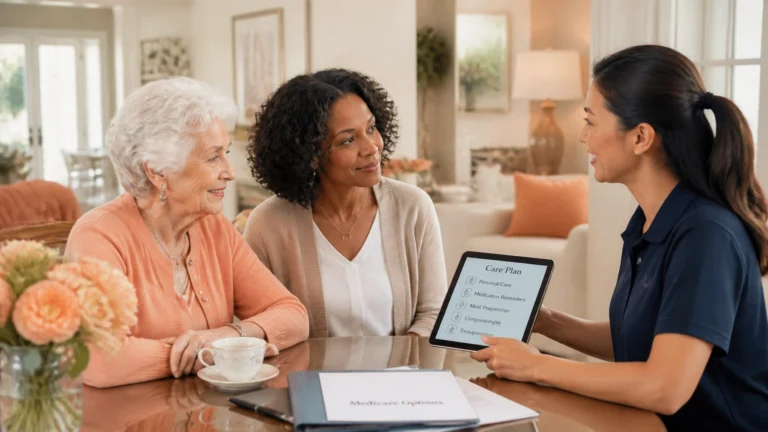
Providing Home Care in Metro Atlanta and Surrounding Areas
How to Integrate Professional Home Care With Your Loved One’s Post-Hospital Recovery

The transition from a hospital bed to the comfort of home should be a moment of relief. However, for many families in Metro Atlanta, it is often a period of high stress and clinical uncertainty. This transition is widely recognized by healthcare professionals as the "critical window": a 30-day period where the risk of hospital readmission is at its peak.
When a senior is discharged, the responsibility for complex medication schedules, wound care monitoring, and physical therapy exercises often falls on family members. Without a structured plan, the "revolving door" of hospital readmissions can become a reality. Statistics suggest that patients who receive structured home support after discharge have a significantly lower 30-day readmission risk compared to those without it.
Integrating professional post hospital home care in Atlanta isn't just about hiring a "sitter"; it’s about creating a collaborative partnership that ensures a safe, proactive, and dignified recovery.
The Vital Role of a Professional Caregiver in Preventing Readmission
The primary goal of post hospital recovery is to stabilize the senior’s health and prevent complications that could lead back to the emergency room. Professional caregivers bridge the gap between the intensive monitoring of a hospital and the solitary environment of a home.
1. Accurate Medication Reconciliation
One of the leading causes of rehospitalization is medication error. Upon discharge, doctors often change dosages or add new prescriptions that may interact with existing medications. A professional caregiver provides vital medication management support, ensuring that your loved one takes the right pill at the right time. They serve as a second pair of eyes to monitor for side effects like dizziness or confusion, which can often be the first sign of an adverse reaction.
2. Proactive Fall Prevention
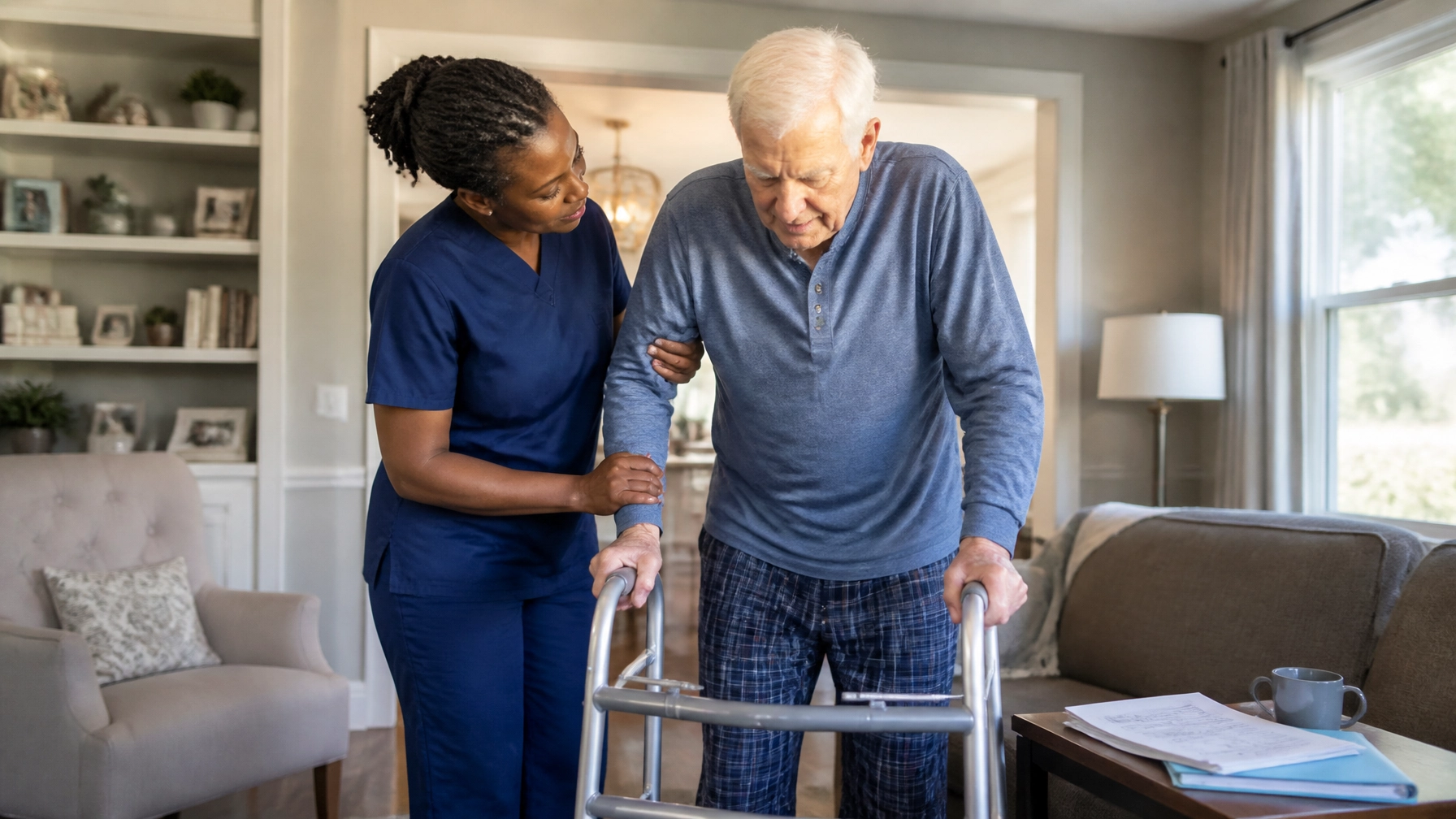
Hospital stays often result in "deconditioning": a rapid loss of muscle strength and balance due to prolonged bed rest. This makes the return home particularly dangerous. Elevare Home Care specializes in proactive fall prevention, which involves more than just clearing away rugs. Our caregivers provide steady hands during transfers, assist with walking, and help implement the exercises recommended by physical therapists to rebuild confidence and mobility.

Understanding the Difference: Home Health vs. Personal Care
It is common for families to be confused by the terminology used by hospital social workers. In Atlanta, a senior may qualify for "Home Health," which is a Medicare-funded service providing intermittent visits from a nurse or therapist for skilled clinical needs.
However, Home Health does not provide the continuous, daily support required for safety and recovery. This is where non-medical personal care comes in. While the nurse might visit for 30 minutes twice a week, a professional caregiver can be there for 4 to 24 hours a day to assist with:
- Bathing and personal hygiene to prevent infections.
- Safe transportation to follow-up appointments at facilities like Piedmont Atlanta or Emory University Hospital.
- Meal preparation to ensure the senior is following specialized diets (e.g., low-sodium or diabetic-friendly).
A Step-by-Step Transition Plan for Atlanta Families
Successful integration begins before the senior even leaves the hospital. Here is how to structure the first few days of post hospital recovery.
Step 1: The Pre-Discharge Strategy
Before the discharge papers are signed, ask the hospital social worker for a copy of the "Discharge Summary." Share this immediately with your home care partner. At Elevare, we use this information to match a caregiver who has specific experience with your loved one’s condition, whether it is recovering from surgery or managing a post-stroke routine.
Step 2: The First 48 Hours
The first two days back at home are the most taxing. The senior is often exhausted, and the home environment may need immediate adjustments. A caregiver can help set up a "recovery station" on the main floor to avoid unnecessary stairs and ensure that all essentials: water, phone, and medications: are within easy reach.
Step 3: Establishing a "Safety Perimeter"
A caregiver can conduct a thorough walkthrough of the home to identify hazards that may have gone unnoticed. This includes checking for adequate lighting in hallways and ensuring that paths to the bathroom are clear and accessible.

Nutrition and Hydration: The Foundation of Healing
Healing requires fuel. Often, seniors returning from the hospital have a diminished appetite or are too weak to stand at the stove. Dehydration is another common reason for readmission, as it leads to urinary tract infections (UTIs) and sudden confusion.
A professional caregiver ensures that nutrition remains a priority. By preparing small, nutrient-dense meals and encouraging fluid intake throughout the day, they provide the biological support the body needs to repair tissue and regain energy.

The Emotional Benefit: Relief for the Family Caregiver
The physical toll of caregiving is significant, but the emotional weight of "being the nurse" can be even heavier for adult children. When you integrate professional support, you are not just hiring help; you are reclaiming your role as a daughter or son.
Respite care allows you to step away with confidence, knowing that your loved one is under the watchful eye of a professional who is trained in dementia-informed care and safety supervision. This peace of mind is vital for the long-term health of the entire family unit.

Why Elevare Home Care is Your Partner in Recovery
At Elevare Home Care, LLC, we understand that Metro Atlanta families need a higher standard of care. Our proactive stance on safety and our commitment to thoughtful caregiver matching sets us apart. We don’t just react to problems; we anticipate them.
Our caregivers are trained to monitor for the subtle "warning signs" that family members might miss: changes in breathing, slight increases in confusion, or a sudden loss of appetite. By catching these early, we can alert the family and the primary physician before a situation escalates into a medical emergency.
Let’s Talk Through Your Situation
If your loved one is preparing for discharge or has recently returned home, don't wait for a setback to occur. We offer a no-pressure, guidance-oriented approach to help you navigate this transition.
Contact Us Today:
Elevare Home Care, LLC
3500 Lenox Rd NE, Suite 1500
Atlanta, GA 30326
Phone: 404-600-0090
Website: www.elevare-healthcare.com