Providing Home Care in Metro Atlanta and Surrounding Areas
Home Health vs. Non-Medical Home Care: Which Is Better for Your Loved One’s Safety in Atlanta?

When a loved one begins to face challenges with daily independence, the terminology can feel overwhelming. You may hear terms like “skilled nursing,” “home health,” “personal care,” and “companion care” used interchangeably. However, in the world of senior care, these terms represent very different levels of support, especially when it comes to senior safety in Atlanta.
Choosing between home health and non-medical home care isn’t just about cost; it’s about matching the level of risk your loved one faces with the right proactive support. At Elevare Home Care, we believe that understanding the nuance between these services is the first step toward building a lasting partnership that ensures your parent or spouse can age with dignity and confidence.
In this guide, we will break down the differences between home health and non-medical home care, specifically focusing on how each contributes to long-term safety for seniors living in Metro Atlanta.
What is Home Health Care? (The Medical Approach)
Home health care is clinical, medical-based support. It is typically prescribed by a physician and is designed for short-term recovery or chronic disease management. Think of it as “the doctor’s office coming to your home.”
Key Characteristics of Home Health:
- Medical Oversight: Services are provided by licensed healthcare professionals, such as Registered Nurses (RNs), Physical Therapists (PTs), or Occupational Therapists (OTs).
- Goal-Oriented: The primary goal is usually to stabilize a medical condition or rehabilitate a senior after a surgery or hospital stay.
- Insurance Covered: In many cases, if it is medically necessary, home health is covered by Medicare or private insurance for a set period.
- Task-Specific: A nurse may visit for 30 to 60 minutes a few times a week to change a dressing, administer an injection, or monitor vital signs.
While home health is essential for medical safety, it often leaves a “care gap.” Once the nurse leaves, the senior is left alone to navigate the physical and cognitive challenges of their day-to-day life.
What is Non-Medical Home Care? (The Holistic Approach)
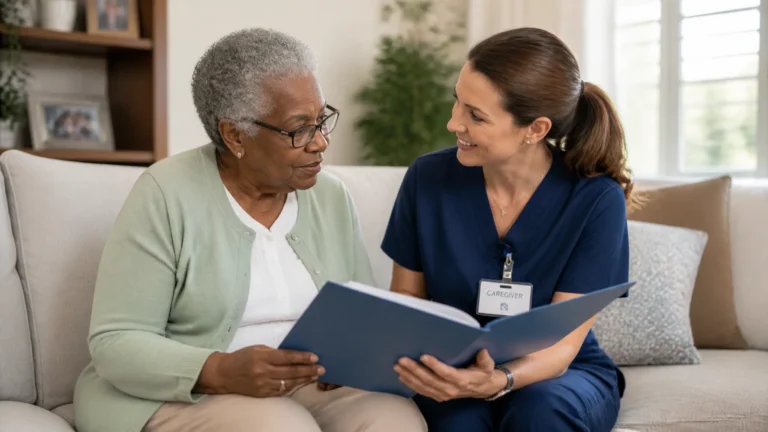
Non-medical home care, often referred to as personal or companion care, focuses on the “Activities of Daily Living” (ADLs) and proactive safety supervision. This is where Elevare Home Care specializes, providing consistent, hourly support that bridges the gap between medical visits.

Key Characteristics of Non-Medical Home Care:
- Continuous Presence: Care can range from a few hours a day to 24/7 supervision, ensuring someone is always there to prevent a fall or respond to an emergency.
- Safety-Focused: Services include fall prevention, mobility assistance, and medication reminders.
- Holistic Support: Caregivers assist with meal preparation, light housekeeping, laundry, and transportation to medical appointments.
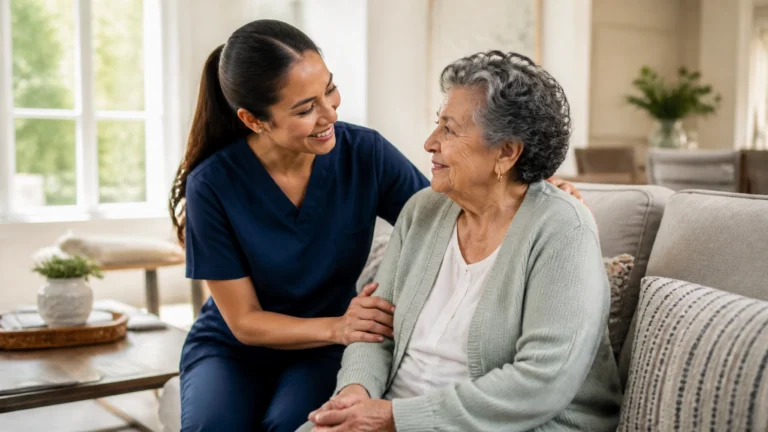
- Emotional Connection: Beyond the physical tasks, it provides companionship that reduces the health risks associated with social isolation.
For most families seeking home care in Atlanta, GA, non-medical care is the sustainable solution for keeping a senior safe at home over the long term.
The Safety Comparison: Which One Does Your Loved One Need?
When deciding between home health vs. non-medical home care, the “right” choice often depends on the specific safety risks your loved one is currently facing.
1. Fall Prevention and Mobility
Falls are the leading cause of injury for seniors in Georgia. While a home health physical therapist can teach strengthening exercises, they are not there when your loved one needs to get out of bed at 2:00 AM.
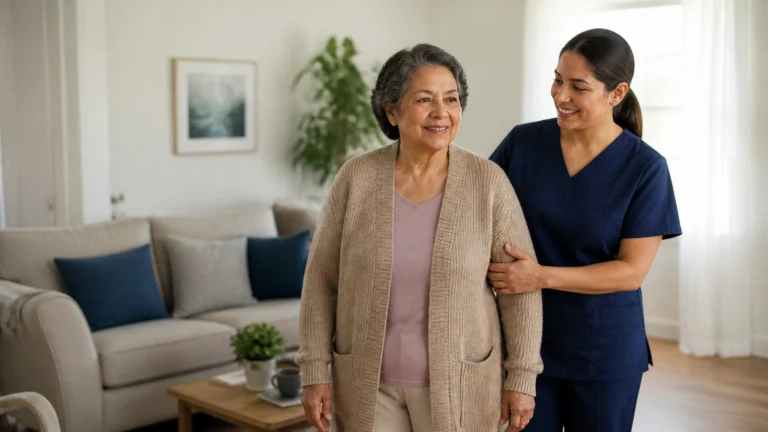
- Non-Medical Care provides proactive safety supervision during high-risk moments: like bathing, transferring from a chair, or navigating stairs: dramatically reducing the risk of a life-altering fall.

2. Medication Adherence
Medication errors are a primary reason for hospital readmissions. A home health nurse might set up a pillbox once a week, but they aren’t there to ensure the morning dose is taken with food or to notice if a senior is becoming dizzy from a new prescription.
- Non-Medical Caregivers provide non-medical medication reminders. They act as “another set of eyes,” noticing changes in behavior or physical state that might indicate a medication issue, allowing for early intervention.
3. Nutrition and Hydration
In the humid Atlanta summers, dehydration and poor nutrition can lead to urinary tract infections (UTIs) or fainting spells. Home health does not include meal preparation.
- Non-Medical Home Care ensures that fresh, healthy meals are prepared and that your loved one stays hydrated. This proactive care keeps the body strong enough to resist illness.

The Atlanta Perspective: Why Local Expertise Matters
Navigating the unique landscape of Metro Atlanta adds another layer to the safety conversation. Whether your loved one is in Buckhead, Sandy Springs, or Brookhaven, local factors influence their care needs.
- Transportation Safety: Atlanta traffic is notoriously difficult. For a senior, driving to appointments at the Emory Clinic or Piedmont Hospital can be stressful and dangerous. Our caregivers provide safe transportation assistance, ensuring they get to their appointments and back home without the anxiety of navigating I-75 or GA-400.
- Weather Awareness: From sudden ice storms to extreme heat waves, our team monitors local weather conditions to ensure our clients are prepared, stocked with supplies, and comfortable in their homes.
- Community Connection: We understand the local resources available to Atlanta families. Our thoughtful matching process ensures that the caregiver entering your home isn’t just a worker, but a neighbor who understands the community.
Bridging the Gap: The “Best of Both Worlds”
Often, the safest path is not choosing one over the other, but using them in tandem. For example, if a senior is returning home after a hip replacement, they may have a home health physical therapist visit twice a week. During the other five days, an Elevare caregiver is there to help them implement their exercises, ensure they don’t trip on area rugs, and help them bathe safely.
This collaborative approach ensures that the medical plan is actually followed in the reality of daily life.

How to Decide: Questions for Families
If you are still unsure which service is right for your current situation, ask yourself these four questions:
- Is the need primarily medical or functional? If they need wound care, it’s home health. If they struggle to stand up from the toilet or remember to eat, it’s non-medical home care.
- Does the senior spend more than 4 hours alone each day? Isolation is a major safety risk. If they are alone for long stretches, non-medical care provides the supervision needed to prevent accidents.
- Is the need temporary or long-term? Home health is usually a “sprint” for recovery. Non-medical home care is a “marathon” for maintaining independence.
- Are you, the family caregiver, feeling burnt out? If you are constantly worried about them falling when you aren’t there, respite care through a non-medical agency can provide you with the peace of mind you deserve.
Partnership for a Safer Future
At Elevare Home Care, we don’t just “provide a service.” We enter into a partnership with you to enhance the life of your loved one. Our dementia-informed approach and focus on fall prevention mean we are always looking ahead, anticipating needs before they become emergencies.
Choosing the right care is a big decision, but you don’t have to make it alone. We are here to provide steady, grounded guidance to help you navigate these choices with dignity for your loved one and confidence for yourself.

Let’s Talk Through Your Situation
Every family’s journey is unique. If you’re trying to determine the best way to ensure senior safety in Atlanta for your parent or spouse, let’s have a conversation. No pressure, just guidance.
Elevare Home Care, LLC
3500 Lenox Rd NE, Suite 1500
Atlanta, GA 30326
Phone: 404-600-0090
Website: www.elevare-healthcare.com