Providing Home Care in Metro Atlanta and Surrounding Areas
Home Health vs. Personal Care: Which Is Better For Your Loved One’s Safety?

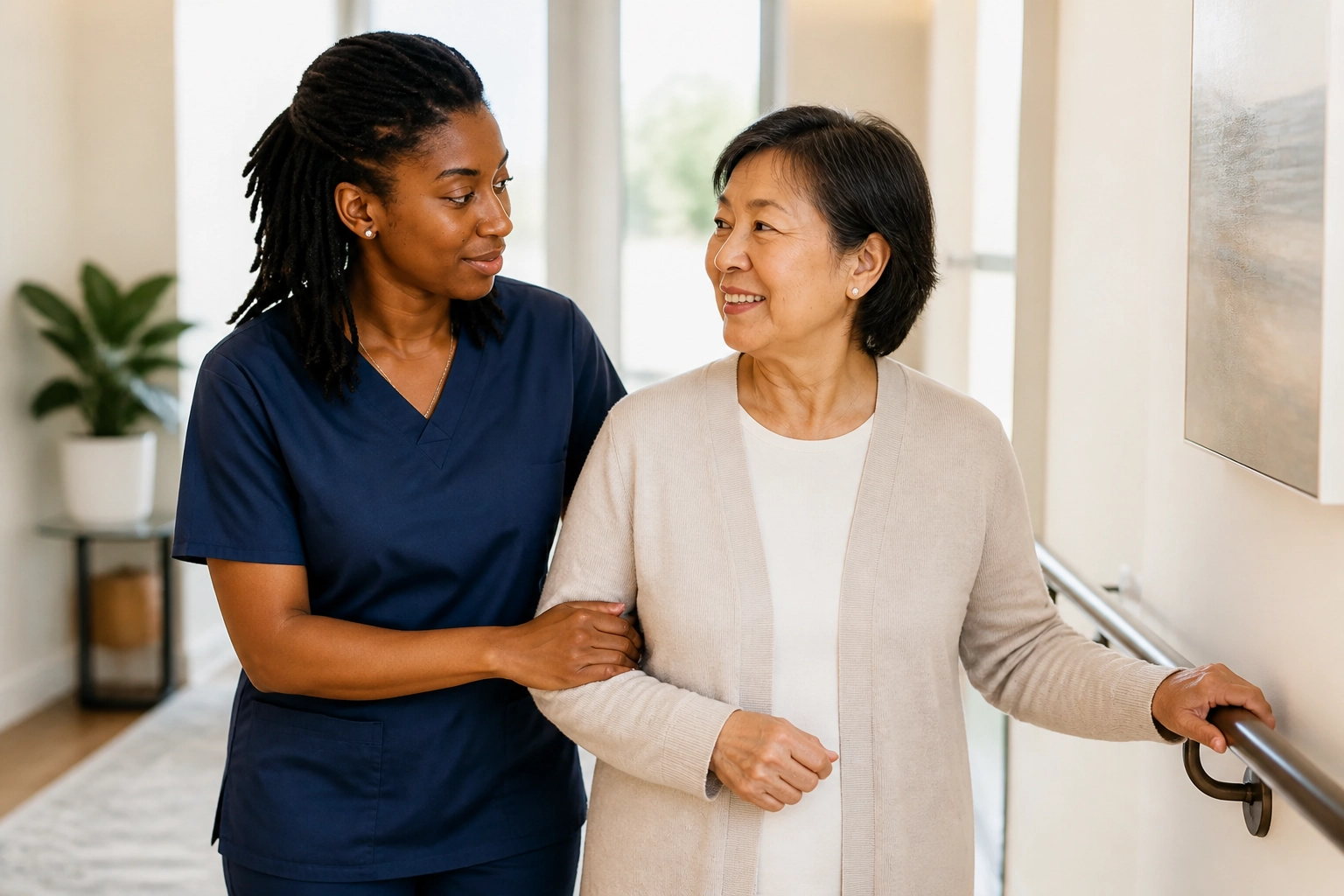
For many families in Metro Atlanta, the moment you realize a loved one needs help at home is often met with a mix of relief and confusion. You want them to be safe, you want them to keep their dignity, and you want to feel confidence in the care they receive. However, as you begin your search for caregiver services in Atlanta, you’ll likely encounter two terms that sound similar but serve very different purposes: Home Health and Personal Care.
When families search for the difference between home care and home health care, they are usually trying to answer one practical question: who should help, and with what? When the primary goal is senior safety in Atlanta, choosing between these two paths isn’t just about price or convenience: it’s about matching the right level of support to your loved one’s specific health profile. At Elevare Home Care, we believe that understanding the nuance of home health vs personal care is the first step in building a sustainable, safe environment for your parent or spouse.
In this guide, we’ll clearly explain the role of each service, the safety implications of each option, and how to determine which type of care will best support your family’s unique situation. If you are researching home care services Atlanta GA or comparing options like non-medical home care Kennesaw GA, this breakdown can help you make a more confident, informed decision.
What is Home Health Care?
Home health care is clinical, medical care provided in the home. It is typically prescribed by a doctor and is designed to treat a specific medical condition, injury, or illness. Think of it as “hospital-level care” brought to your living room.
Because home health involves medical procedures, it is performed by licensed professionals such as Registered Nurses (RNs), Physical Therapists (PTs), or Occupational Therapists (OTs).
The Role of Home Health Care
Home health care is designed to treat or monitor a medical issue at home under a physician’s direction. Its role is short-term or condition-specific medical support.
Home health professionals may:
- Perform skilled nursing visits.
- Manage wound care and post-surgical recovery.
- Provide physical, occupational, or speech therapy.
- Monitor vital signs and changes in medical condition.
- Educate the patient and family about recovery instructions.
The Safety Focus of Home Health
The safety benefit of home health is largely clinical. It is about anticipating medical complications before they become emergencies.
- Wound Care: Preventing infections after surgery.
- Medication Administration: Ensuring complex dosages (like injections or IVs) are handled correctly.
- Physical Therapy: Rebuilding strength to reduce the risk of re-injury after a fall or hospital stay.
- Vitals Monitoring: Keeping a close eye on heart rate, blood pressure, and oxygen levels for those with chronic conditions like COPD or congestive heart failure.

What is Personal Care (In-Home Care)?
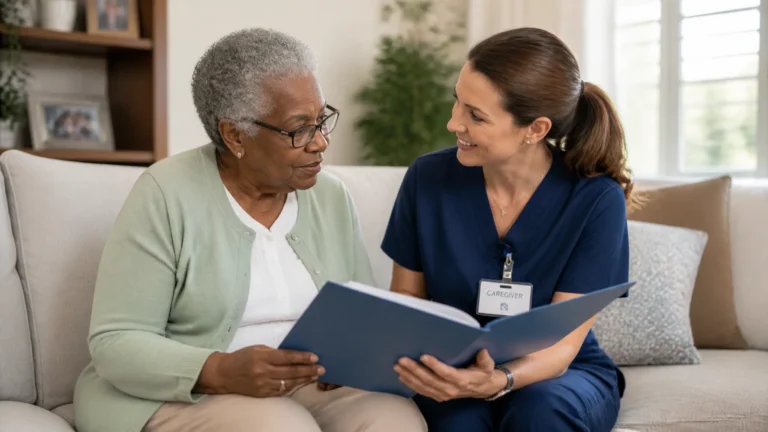
Personal care: often referred to as “home care” or “companion care”: is non-medical support. While it doesn’t involve needles or physical therapy regimes, it is the bedrock of senior safety in Atlanta for those who wish to age in place.
At Elevare, our Personal Care Assistance focuses on the Activities of Daily Living (ADLs) that often become dangerous for seniors to perform alone. Our caregivers become partners in your loved one’s daily life, providing a consistent presence that clinical home health visits (which may only last 45 minutes) cannot offer. For families comparing the difference between home care and home health care, this is the key point: personal care is non-medical, day-to-day support that helps older adults remain safe, comfortable, and confident at home.
The Role of Personal Care
Personal care supports daily living rather than treating a medical condition. Its role is to help older adults maintain independence, reduce avoidable risks, and improve quality of life at home.
Non-medical caregivers may help with:
- Bathing, grooming, dressing, and hygiene.
- Mobility support and transfers.
- Meal preparation and hydration reminders.
- Light housekeeping, laundry, and organization.
- Medication reminders.
- Transportation to appointments and errands.
- Friendly companionship and safety supervision.
Families searching for home care services Atlanta GA or non-medical home care Kennesaw GA are often looking for this type of thoughtful, practical support.
The Safety Focus of Personal Care
If home health is about medical stability, personal care is about proactive prevention.
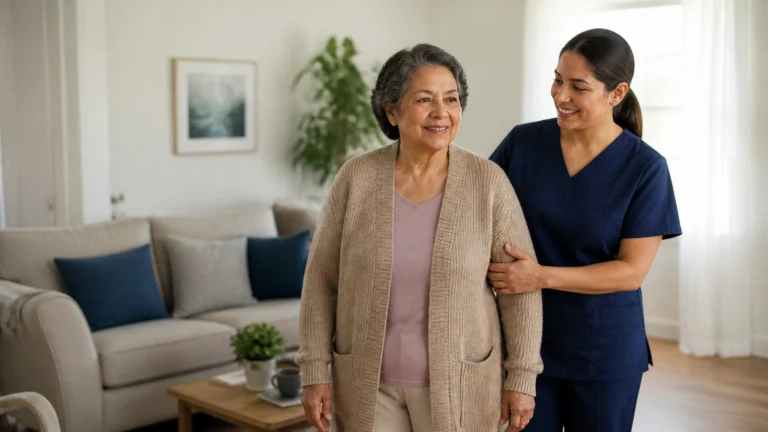
- Fall Prevention: Our caregivers are trained to identify tripping hazards and provide steady hands during transfers from bed to chair.
- Dementia-Informed Supervision: For those with memory loss, personal care provides the “eyes on” supervision needed to prevent wandering or household accidents like leaving the stove on.
- Hygiene & Mobility: Assisting with bathing and grooming to prevent slips in the bathroom: the most common site of home injuries.
- Nutritional Support: Ensuring your loved one is eating well-balanced meals and staying hydrated, which significantly enhances cognitive function and physical strength.

Home Health vs. Personal Care: The Safety Comparison
When weighing home health vs personal care, it helps to look at the specific roles each service plays in everyday life. Home health handles clinical treatment and medical recovery. Personal care handles hands-on daily support, routine safety supervision, and non-medical assistance in the home. Once families understand that difference between home care and home health care, the decision often becomes much clearer.
It also helps to look at specific safety scenarios common to seniors in the Metro Atlanta area.
Scenario 1: Recovering from a Hip Replacement
In the weeks immediately following surgery, your loved one needs Home Health. They require a physical therapist to guide their movements and a nurse to check their incision site. However, the nurse is only there for an hour. Who helps them get to the bathroom at 2:00 AM? Who ensures they don’t trip over a rug while the PT isn’t looking? This is where Personal Care fills the safety gap, providing the 24/7 or daily supervision that medical insurance rarely covers.
Scenario 2: Managing Early-Stage Alzheimer’s
For a senior with dementia, “safety” is less about medical procedures and more about consistency and environment. Home health may be unnecessary if the senior is physically healthy. However, Personal Care is vital. A dementia-informed caregiver can anticipate the confusion that leads to agitation or “sundowning,” ensuring the home remains a place of peace rather than a source of stress.
The Cost and Coverage Reality in Atlanta
Safety often comes down to what is sustainable for the family budget.
- Home Health: Since it is “medically necessary,” it is often covered by Medicare or private health insurance, provided the patient meets specific “homebound” criteria. However, this coverage is almost always short-term (usually a few weeks or months).
- Personal Care: This is typically a “private pay” service. While it requires an out-of-pocket investment, it offers a level of partnership and long-term stability that medical insurance doesn’t provide. Many families use Long-Term Care Insurance or Veterans Benefits to help cover these caregiver services in Atlanta.
Why a Proactive Approach is the Ultimate Safety Net
At Elevare Home Care, we don’t just wait for a fall to happen; we work to prevent it. Our approach to senior safety in Atlanta is built on a thoughtful matching process. We don’t just send “a body”; we send a caregiver whose personality and skills align with your loved one’s needs.
By choosing a proactive personal care model, you are investing in:
- Consistent Communication: We keep families in the loop, so you’re never wondering how Mom is doing.
- Safety Supervision: Focused on fall prevention and dementia monitoring.
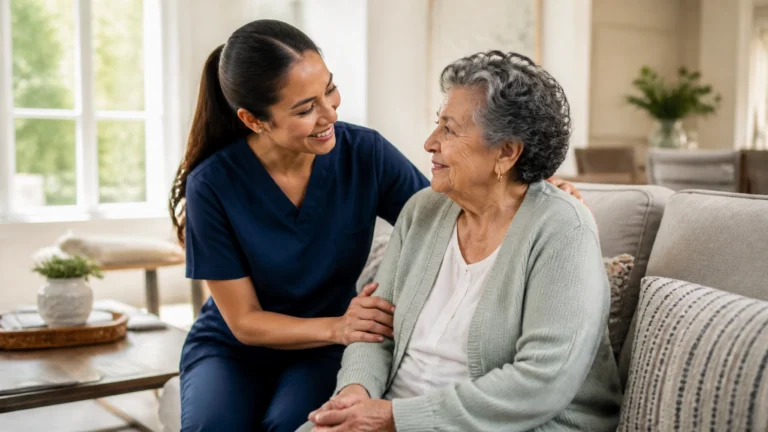
- Emotional Well-being: Isolation is a major health risk for seniors. Friendly conversation and companionship support mental health, which in turn improves physical safety.

Which One Do You Need? A Quick Checklist
Consider Home Health if your loved one:
- Was recently discharged from the hospital.
- Has a new wound or surgical site that needs dressing.
- Needs professional physical, occupational, or speech therapy.
- Requires a change in medical prescriptions that needs professional monitoring.
Consider Personal Care (Elevare) if your loved one:
- Is struggling with mobility or has a high risk of falling.
- Forgets to eat, bathe, or take their medications.
- Shows signs of dementia or Alzheimer’s and shouldn’t be left alone.
- Is becoming increasingly isolated or depressed.
- Needs help with transportation to appointments or errands.
A simple way to remember the difference between home care and home health care:
- Home Health Care: Medical care delivered by licensed clinicians.
- Home Care / Personal Care: Non-medical assistance with daily routines and safety.
Note: In many cases, the safest choice is a combination of both. While Home Health handles the medical recovery, Personal Care handles the daily safety and quality of life.
Let’s Talk Through Your Situation
Deciding on the right level of care can feel overwhelming, but you don’t have to do it alone. Whether you need Respite Care for a few hours a week or comprehensive daily support, our team is here to provide no pressure, just guidance.
We believe in a partnership that honors your loved one’s independence while providing the safety they deserve. Let us help you navigate the journey of aging in place with dignity and confidence.
Contact Elevare Home Care, LLC
Office Address:
3500 Lenox Rd NE, Suite 1500
Atlanta, GA 30326
Phone: (404) 437-6499
Website: www.elevare-healthcare.com
Serving older adults with proactive, specialized care throughout the Metro Atlanta area.