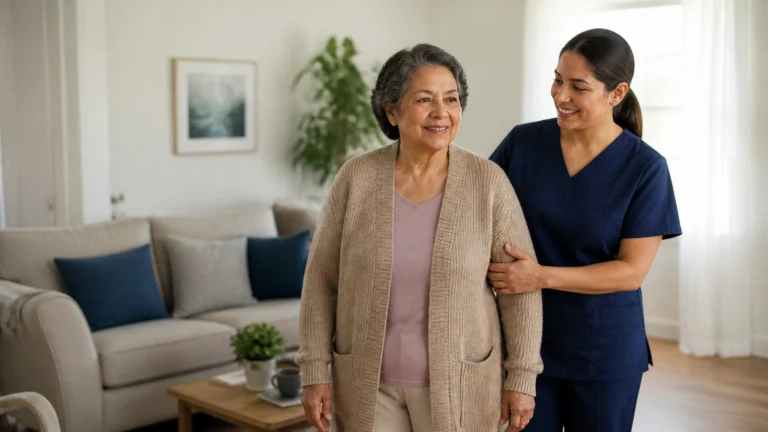
Providing Home Care in Metro Atlanta and Surrounding Areas
Managing COPD and Heart Failure at Home: A Guide for Georgia Families


For many seniors in Metro Atlanta, managing a chronic health condition is a part of daily life. However, when a loved one is diagnosed with both Chronic Obstructive Pulmonary Disease (COPD) and Congestive Heart Failure (HF), the complexity of care increases significantly. These two conditions often coexist, creating a "dual diagnosis" that requires a proactive, highly organized approach to maintain safety and comfort at home.
At Elevare Home Care, LLC, we understand the delicate balancing act required to manage respiratory health and cardiac stability simultaneously. Our goal is to provide families with the confidence and tools they need to ensure their loved ones remain safe, breathe easier, and avoid unnecessary hospital readmissions.
The Challenge of the Dual Diagnosis
COPD and Heart Failure are distinct conditions, but they share a common symptom: shortness of breath. This overlap can make it difficult for families to determine which condition is causing a flare-up. COPD affects the lungs’ ability to move air, while Heart Failure affects the heart’s ability to pump blood efficiently, often leading to fluid buildup in the lungs.
Managing these together means being a "health detective" every single day. It requires a partnership between the family, the medical team, and professional care partners to monitor subtle changes before they become emergencies.
1. The Power of Proactive Monitoring
The key to staying out of the hospital is catching symptoms early. In the healthcare world, we call this proactive care. For Georgia families, this means establishing a "morning check-in" routine that tracks vital signs and physical changes.
- Daily Weights: This is the most critical step for Heart Failure management. A sudden weight gain of 2 to 3 pounds in a single day (or 5 pounds in a week) usually indicates fluid retention, not fat.
- Oxygen Saturation: For those with COPD, monitoring oxygen levels with a simple pulse oximeter can provide peace of mind and data for the doctor.
- Symptom Tracking: Is the cough more frequent? Is there new swelling in the ankles? Is it harder to breathe when lying flat?
By documenting these details daily, you provide your physician with a clear roadmap for treatment adjustments, often preventing a trip to the emergency room.

Proactive monitoring and thoughtful companionship are the cornerstones of safe home care.
2. Simplifying Complex Medication Regimens
When managing both COPD and Heart Failure, the number of prescriptions can be overwhelming. You may be dealing with diuretics (water pills) for the heart, bronchodilators (inhalers) for the lungs, and perhaps blood pressure or cholesterol medications.
The risk of "polypharmacy": taking multiple medications that may interact: is high. This is where professional medication reminders become a vital safety net.
At Elevare, our caregivers provide non-medical reminders to ensure adherence to schedules. We help ensure that diuretics are taken at the right time (usually in the morning to avoid nighttime bathroom trips) and that inhaler techniques are followed correctly. Consistency reduces the risk of flare-ups and keeps the heart and lungs working in harmony.
3. Creating a Breath-Friendly Environment
Atlanta’s climate can present unique challenges for those with respiratory issues. High humidity and seasonal pollen counts can trigger COPD exacerbations. Managing the home environment is a proactive way to reduce stress on the lungs.
- Air Quality: Use high-quality air filters and keep windows closed during high-pollen days.
- Humidity Control: Use a dehumidifier if the home feels damp, but ensure it is cleaned regularly to prevent mold growth.
- Fall Prevention: Shortness of breath can lead to dizziness and fatigue, significantly increasing the risk of falls. Ensure the home is decluttered and well-lit. For more detailed tips, see our guide on 7 mistakes in senior fall prevention.
4. Energy Conservation and Nutrition
When every breath takes effort, everyday tasks like bathing or cooking can be exhausting. This exhaustion can lead to poor nutrition or hygiene, which further weakens the immune system.
Energy Conservation Techniques:
- Pacing: Encourage your loved one to take frequent "breathing breaks."
- Pursed-Lip Breathing: This simple technique helps keep airways open longer, making breaths more effective.
- Sitting for Tasks: Use a shower chair for bathing or a stool in the kitchen to conserve energy for the things that matter most.
Nutrition and Fluid Balance:
This is where the two conditions can conflict. Heart Failure often requires a low-sodium diet and fluid restrictions to prevent swelling. Conversely, COPD patients may need extra hydration to thin out mucus. It is essential to work closely with a doctor to find the "sweet spot" for fluid intake that supports the lungs without taxing the heart.

Nutritious, heart-healthy meals are essential for maintaining energy and stability at home.
5. Recognizing the Red Flags
Knowing when to call for help is a critical part of being a care partner. We encourage families to maintain a "low threshold" for contacting their medical provider.
Call the doctor if you notice:
- Increased shortness of breath at rest.
- Needing more pillows to sleep at night (orthopnea).
- Sudden swelling in the legs, feet, or abdomen.
- A persistent, productive cough with changes in mucus color.
- Confusion or unusual fatigue (which can be a sign of low oxygen).
6. Peace of Mind for the Family Caregiver
Caring for a parent or spouse with COPD and Heart Failure is a full-time job that can lead to significant stress and burnout. You don't have to do it alone. Bringing in a professional care partner provides more than just a helping hand; it provides the respite care you need to recharge.
Whether it’s assistance with light housekeeping, meal preparation, or simply the security of having someone there while you run errands, professional support enhances the quality of life for both the senior and the family. Our specialized care support is designed to adapt as your loved one’s needs change, providing a consistent and stable presence in the home.
Partnering for a Safer Home
Managing chronic conditions is a marathon, not a sprint. It requires patience, dignity, and a commitment to forward-thinking support. At Elevare Home Care, LLC, we view ourselves as your collaborative ally. We are here to help you navigate the complexities of home care with confidence, ensuring your loved one can age in place with the dignity they deserve.
If you are feeling overwhelmed by the demands of managing COPD or Heart Failure at home, let’s talk through your situation. No pressure, just guidance.
Contact Us
We are proud to serve the Metro Atlanta community with proactive, heart-centered care.
Elevare Home Care, LLC
3500 Lenox Rd NE, Suite 1500
Atlanta, GA 30326
Phone: 404-600-0090
Website: www.elevare-healthcare.com
Note: This guide is for informational purposes only and does not replace professional medical advice. Always consult with your healthcare provider regarding specific medical conditions and treatments.