Providing Home Care in Metro Atlanta and Surrounding Areas
Managing Sundowning at Home: Why Routine Matters for Atlanta Seniors with Dementia


For many families in Metro Atlanta caring for a loved one with Alzheimer’s or dementia, the late afternoon hours can bring a shift in mood that feels both sudden and overwhelming. As the sun begins to set, a person who was calm just an hour ago may become increasingly restless, anxious, or confused. This phenomenon, often referred to as “sundowning,” is a common challenge in dementia care, but it is one that can be managed with a proactive and thoughtful approach.
At Elevare Home Care, we believe that the key to navigating these difficult hours lies in the power of routine. By creating a predictable, calm environment, we can help seniors maintain their dignity and provide family members with the peace of mind they deserve.
Understanding the “Sunset Effect”
Sundowning is not a disease itself, but a group of symptoms that occur at a specific time of day. It typically manifests as increased agitation, pacing, or even hallucinations as daylight fades. While the exact cause isn’t fully understood, researchers believe it may be linked to disruptions in the body’s internal clock (circadian rhythm) or simply the fatigue that sets in after a long day of processing information.
In the bustling environment of Metro Atlanta, external factors like heavy traffic noise or the shift in household energy as family members return home can exacerbate these symptoms. Recognizing these triggers is the first step toward a proactive care strategy.
Why Routine is Your Best Tool
For someone living with cognitive decline, the world can often feel unpredictable and frightening. A consistent daily schedule acts as an anchor, providing a sense of security and confidence. When a senior knows exactly what to expect next, their brain doesn’t have to work as hard to interpret the environment, which significantly reduces the risk of agitation.
The Benefits of a Structured Day:
- Reduced Anxiety: Predictability eliminates the “fear of the unknown” that often leads to outbursts.
- Better Sleep Patterns: A consistent routine helps regulate the internal clock, making it easier to transition to nighttime rest.
- Enhanced Independence: When tasks are part of a familiar rhythm, seniors are often more capable of participating in their own care.

Creating an “Elevare-Style” Evening Routine
At Elevare Home Care, our specialized care support focuses on “dementia-informed” techniques that anticipate needs before they become stressors. Here is how you can structure a late-afternoon routine to minimize the impact of sundowning:
1. Front-Load the Day
Schedule high-energy activities, doctor appointments, and bathing for the morning hours when your loved one is likely at their most alert. By the time 3:00 PM or 4:00 PM arrives, the goal should be relaxation rather than task completion.
2. Manage the Light
As the natural light fades outside, compensate by turning on indoor lights early. Avoid harsh overhead lighting which can create confusing shadows. Instead, use warm, soft lamps to keep the environment bright and welcoming. Closing the blinds before sunset can also prevent “mirroring” effects: where a senior sees their own reflection in a dark window and becomes frightened by an “intruder.”
3. Transition to Quiet Activities
Introduce calming rituals about an hour before the typical onset of sundowning. This might include:
- Listening to soft, familiar music.
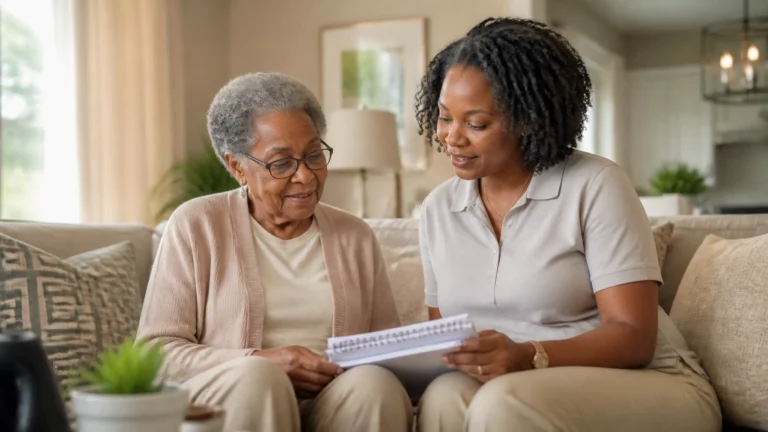
- Looking through a photo album together.
- Engaging in a low-stress repetitive task, like folding towels or sorting socks, which can provide a sense of purpose.

Environmental Adjustments for Safety and Calm
Our proactive approach at Elevare Home Care also involves optimizing the physical environment. A “sundowning-proof” home in Atlanta should focus on three key areas:
- Noise Control: Minimize loud television programs, especially the news or high-action movies, in the late afternoon. If the house becomes busy with family members, create a “quiet zone” for the senior.
- Comfort and Nutrition: Ensure the individual isn’t hungry or thirsty, as physical discomfort is a major trigger for agitation. A light, protein-rich snack in the late afternoon can help stabilize blood sugar levels.
- Fall Prevention: Since shadows can distort depth perception, ensure that walkways are clear and well-lit. This is a core part of our safety supervision services.
The Partnership Perspective: You Don’t Have to Do It Alone
Caring for a loved one with dementia is a journey that requires immense emotional and physical energy. Many family caregivers in the Atlanta area find that the “witching hour” of sundowning is when they feel most exhausted and least equipped to handle the challenges.
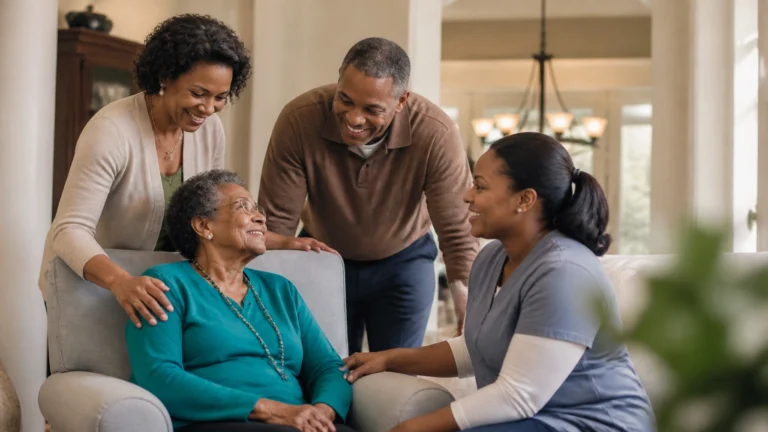
This is where a partnership with a professional care team can make a profound difference. Elevare Home Care provides more than just a service; we provide a collaborative ally for your family. Our respite care and dementia-informed support are designed to step in precisely when you need a break, ensuring your loved one remains safe and calm while you recharge.

No Pressure, Just Guidance
Managing the complexities of dementia and sundowning is difficult, but you don’t have to navigate it in isolation. Whether you are just starting to notice changes or are looking for consistent, professional support to enhance your loved one’s quality of life, we are here to help.
Our commitment to thoughtful caregiver matching and transparent communication ensures that you are always informed and your loved one is always treated with the highest level of dignity.
Let’s talk through your situation. Our team is available to discuss how a customized care plan can bring stability back to your evenings and peace of mind back to your home.
Elevare Home Care, LLC
Address: 3500 Lenox Rd NE, Suite 1500, Atlanta, GA 30326
Phone: 404-600-0090
Website: www.elevare-healthcare.com